Donate

Water Quality

Water quality monitoring project

Ruthin FoE are in the process of testing river water quality in the Ruthin area. To read about our most recent activities see this Article in our News section.
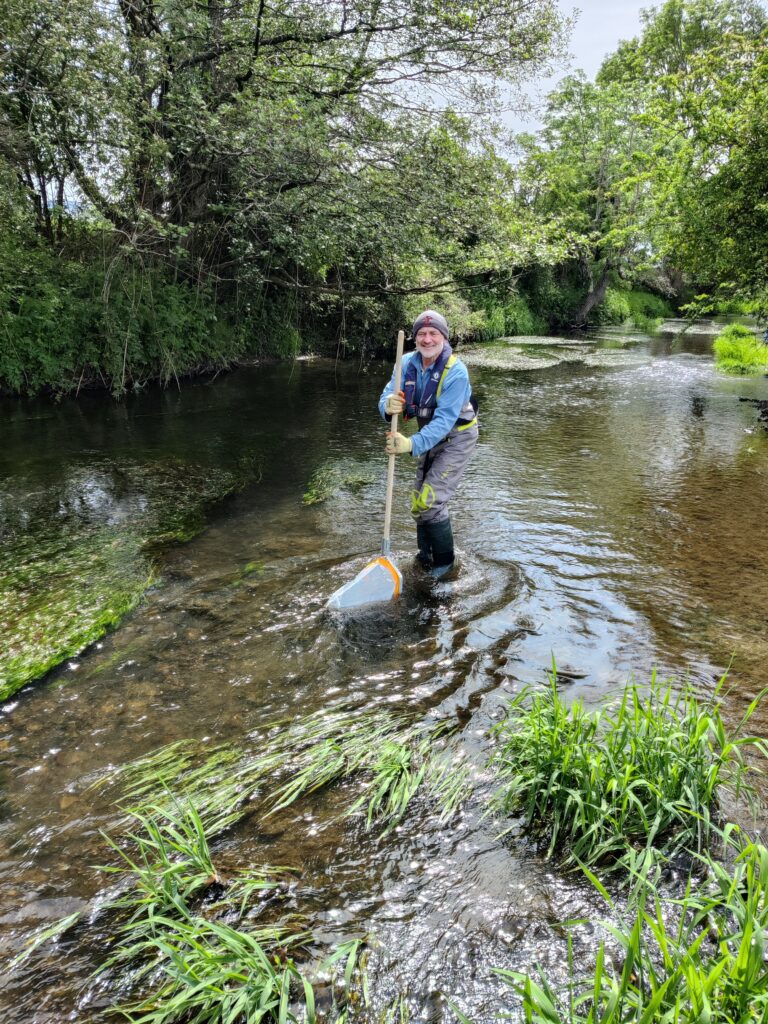
There is widespread concern about the state of our rivers. Pollution from sewage outflows has increased significantly with major impacts on wildlife and our ability to use our rivers for recreational activities. There is evidence that the Ruthin sewage works is responsible for significant sewage outflows into the River Clwyd. Citizen Science projects elsewhere in North Wales are having increasing impact on water companies and policy makers but there is little independent monitoring on the River Clwyd.

Friends of the Earth Ruthin have established a new project group to monitor the water quality and condition of the River Clwyd and its tributaries in the Ruthin area. It is a collaborative Citizen Science project with the North Wales River Trust (NWRT).

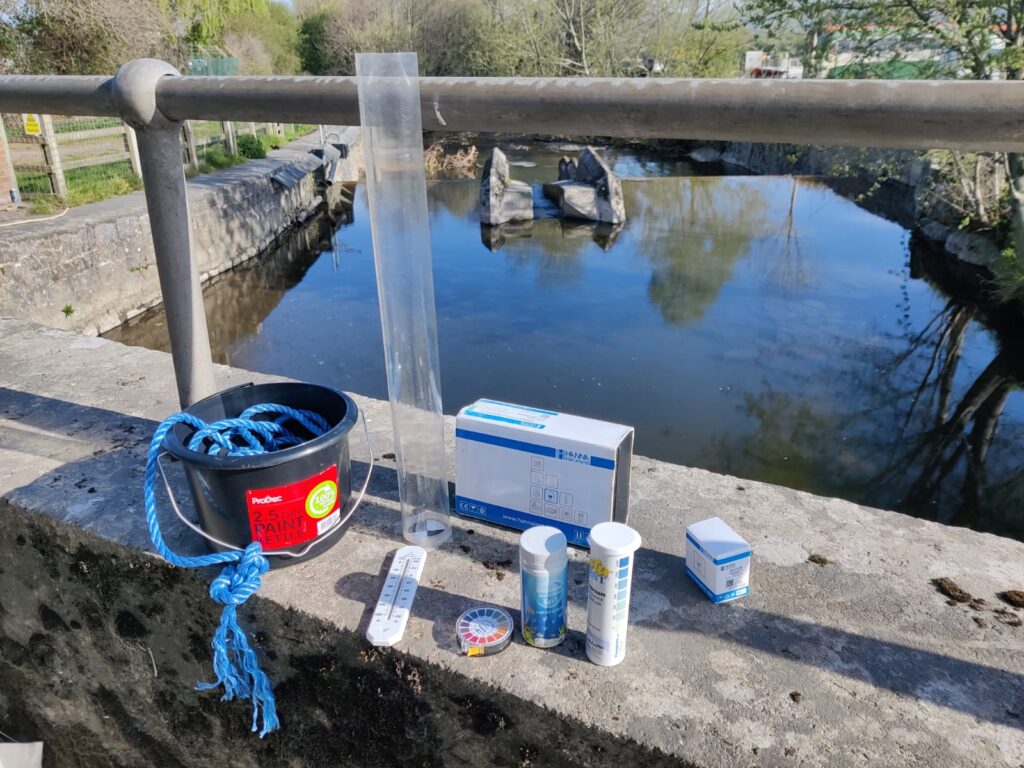
The NWRT have provided the testing kits and access to a database to input test results. Local FoE volunteers monitor pollution levels around the Ruthin sewage outflow, and on the Clwyd and Clywedog near Rhewl, on a monthly basis. The data is entered into the NWRT database via an app. It includes:

  • Phosphate levels
  • Nitrate levels
  • Water acidity (pH testing)
  • Turbidity (clarity)

If you’d like to be a part of this project group, please email us at foe.ruthin@gmail.com 

Future directions

  1. Himalyan Balsam; Invasive Non-Native Species (INNS) are a threat to ecosystems. The NW Rivers Trust and the NW Wildlife Trust are working on a project to identify and tackle the spread of INNS in the River Clwyd. We know that Himalayan Balsam is already quite widespread in our area. Several of our members have already volunteered on their “Balsam Bashes” in July. The balsam is now (August) seeding so no further bashes are planned for 2025. We will be thinking about how we can best contribute to this project in the 2026 season.
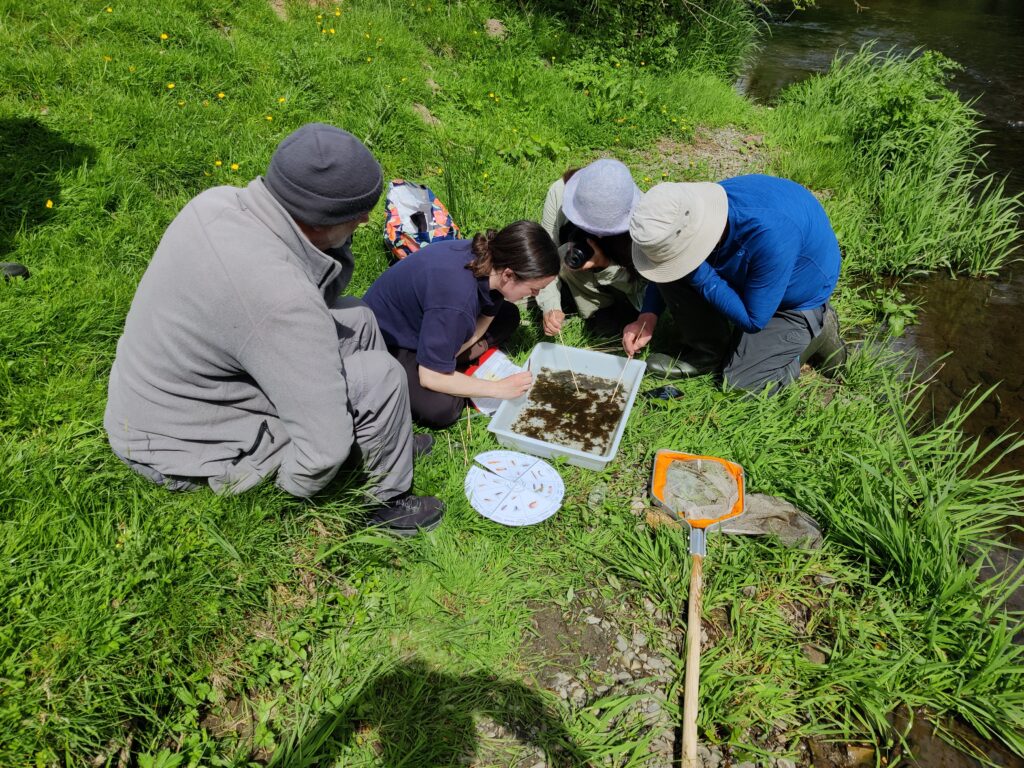
  2. If we have enough volunteers, we would like to monitor micro-organisms including algae and protozoa in our rivers. One of our group has considerable expertise in looking at micro-organisms in ponds. Changes in organisms are a good early indicator of pollution, as well as being the vital first link in the food chain.
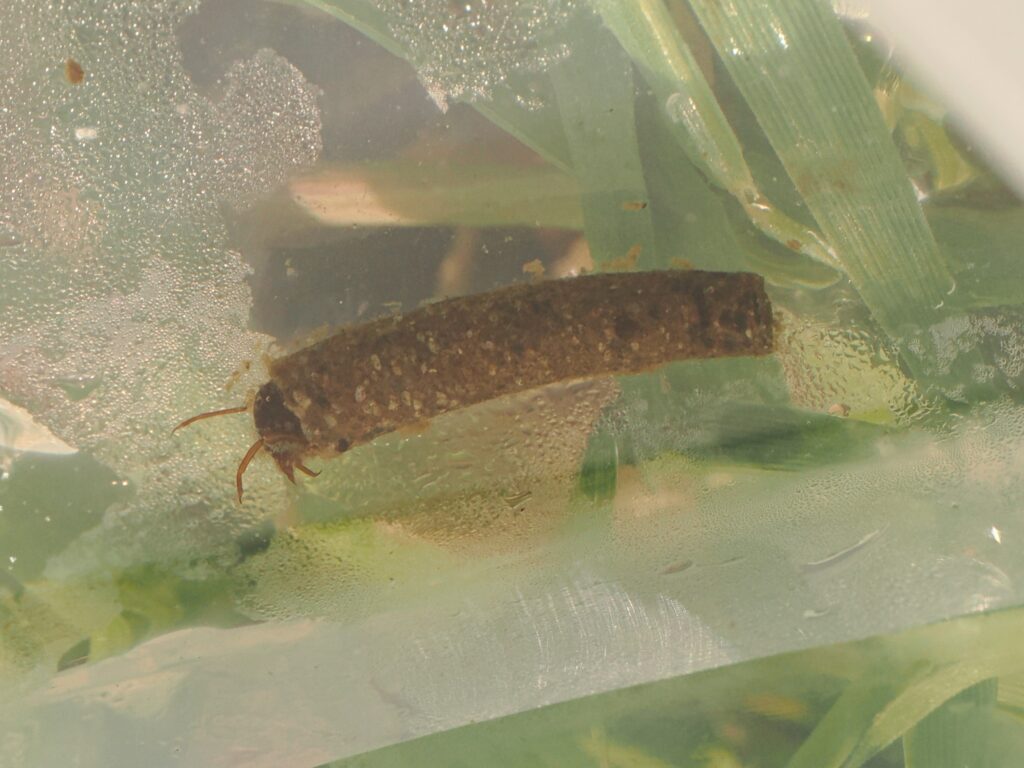
  3. We would like to join a UK-wide project monitoring invertebrates in our rivers. The SmartRivers project is run by the organisation Wildfish (https://wildfish.org/project/smart-rivers/). The NWRT is already supporting Citizen Science groups to work on this project elsewhere in North Wales. Too little/too much of various species are a good indicator of water quality and in turn of course, larger animals in the food chain rely on these.
crosschevron-down